• Skip to primary navigation
  • Skip to main content
  • Skip to primary sidebar
  • Home
  • Meet Our Team
  • About OT
  • Evaluations & Services
  • Testimonials
  • Blog
  • Books
    • Email
    • Facebook
    • Instagram
    • Phone

Building Blocks Pediatric Occupational Therapy Services

Fairfield Connecticut Occupational Therapist

203-341-0178
bbpedot@yahoo.com
  • Home
  • Meet Our Team
  • About OT
  • Evaluations & Services
  • Books
  • Testimonials
  • Blog
    • Email
    • Facebook
    • Instagram
    • Phone

Backward Chaining Technique for Self-Care Activities

September 18, 2021 By admin

Learning how to perform self-care activities can be challenging for some children, especially when an activity involves multiple steps.
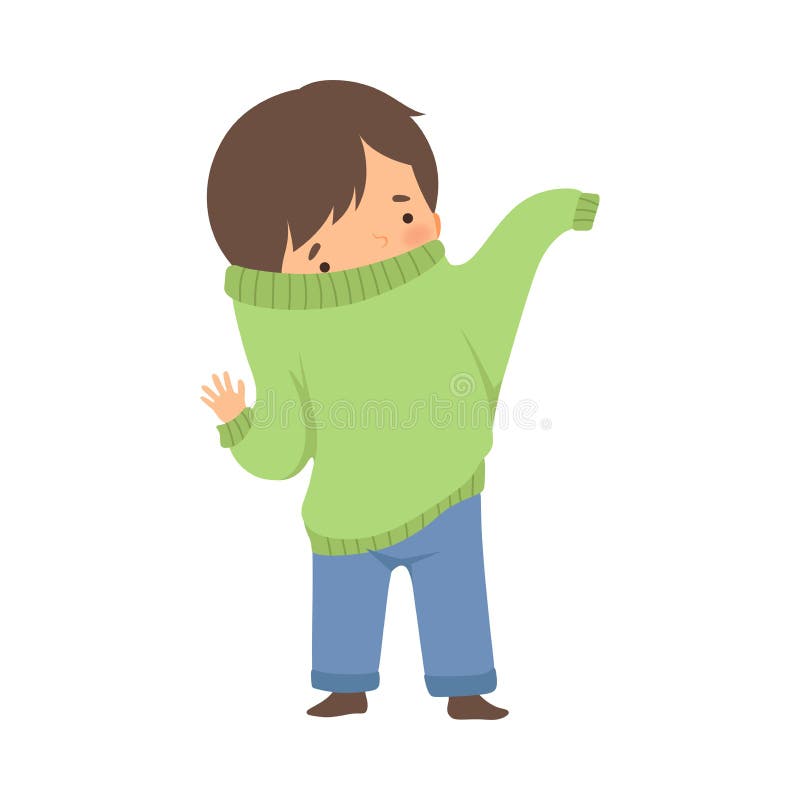
Backward chaining is a behavioral approach that can be used to break down and teach steps of a task in a progressive way. In backward chaining, the occupational therapist would perform most of the task and teach the child how to perform the last step of a task.

 

This strategy can be beneficial for children with:

  • Low self-esteem
  • Low frustration tolerance or easily discouraged
  • Difficulties completing tasks with multiple steps

This strategy provides them with immediate positive reinforcement after completing the last step of a task. Taking part in their self-care routine and feeling successful can provide children with a sense of accomplishment and increased self-efficacy.

As practice of this task continues, the child would then complete the last two steps of a task. Over time, the occupational therapist would perform fewer steps at the beginning of the task as the child continues to complete additional steps. Eventually, the child learns how to complete all of the steps of a task on his or her own.

Steps for using backward chaining technique:

  1. Break the task down into steps
  2. Complete all of the steps of a task, except for the last step which will be taught to the child.
  3. Teach the last step to the child and practice until the child can complete step independently. This can be taught in various ways:
    1. Demonstrate or model the step for the child.
    2. Providing verbal prompts such as specific instructions or actions to help the child perform the task.
    3. Physical prompts  such as hand over hand assistance.
  4. Repeat the task again, only this time, complete all but the last two steps.
  5. Teach the child the second to last step, as previously mentioned, and then allow them to complete the last step independently.
  6. Repeat this process until the child can complete all of the steps independently.

Here is an example of how putting on pants can be broken down and taught to a child using the backward chaining technique.


First time teaching task:

  1. Adult holds the pants by the waistband with the label facing toward the back.
  2. Adult lowers pants towards the child’s feet.
  3. Adult lifts and brings one of the child’s leg into the pant hole.
  4. Adult lifts and brings the other leg into the pant hole.
  5. Adult pulls pants up and over the child’s knees.
  6. Have the child stand up and teach the child how to pull his or her pants up to their waist.

Once the child learns how to pull their pants up from their knees to their waist, they are ready to move on to the next step of the backward chaining process.

Second time teaching task:

  1. Adult holds the pants by the waistband with the label facing toward the back.
  2. Adult lowers pants towards the child’s feet.
  3. Adult lifts and places one of the child’s leg into the pant hole.
  4. Adult lifts and places other leg into the pant hole.
  5. Teach the child how to pull their pants up and over their knees.
  6. The child stands up and pull their pants up to their waist.

Third time teaching task:

  1. Adult holds the pants by the waistband with the label facing toward the back.
  2. Adult lowers pants towards the child’s feet.
  3. Adult lifts and places one of the child’s leg into the pant hole.
  4. Teach the child how to place other leg into the pant hole.
  5. The child stands up and independently pulls their pants up and over their knees and waist.

This process continues until the child can independently perform all the steps of putting on their pants.

Backward chaining can be used for other self-care activities such as:

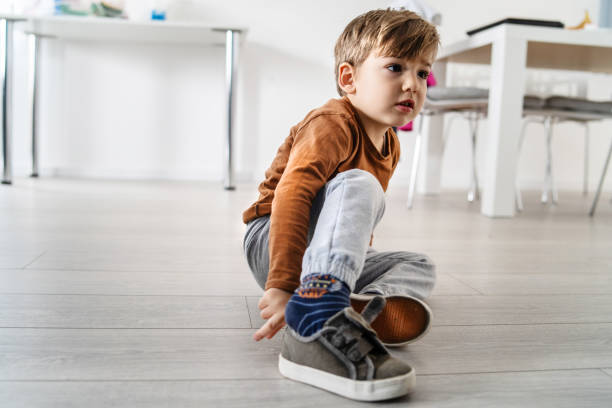
  • Putting on or taking off clothing (shirt, socks, shoes)
  • Fastening buttons, snaps, and zippers
  • Brushing teeth
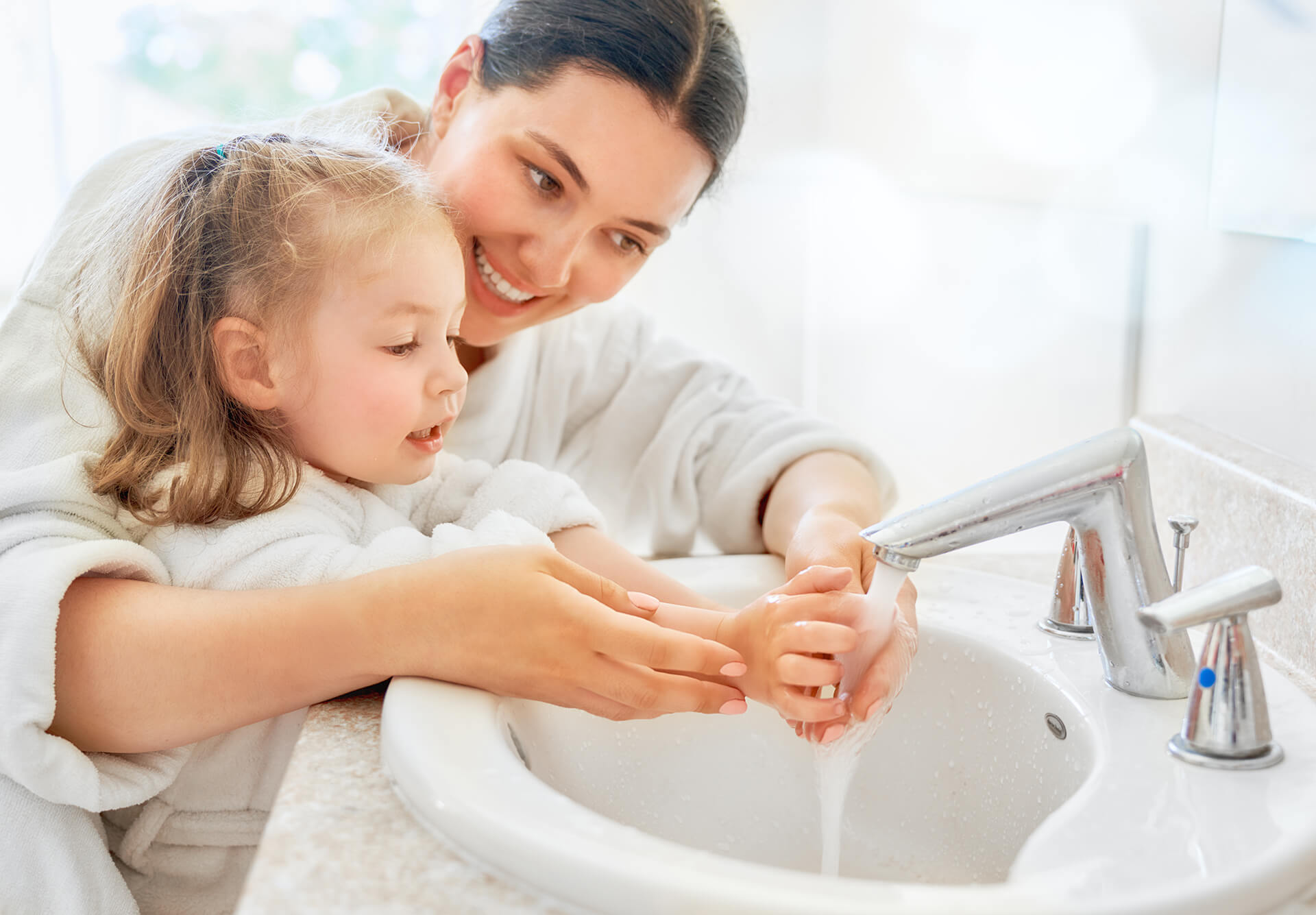
  • Washing hands
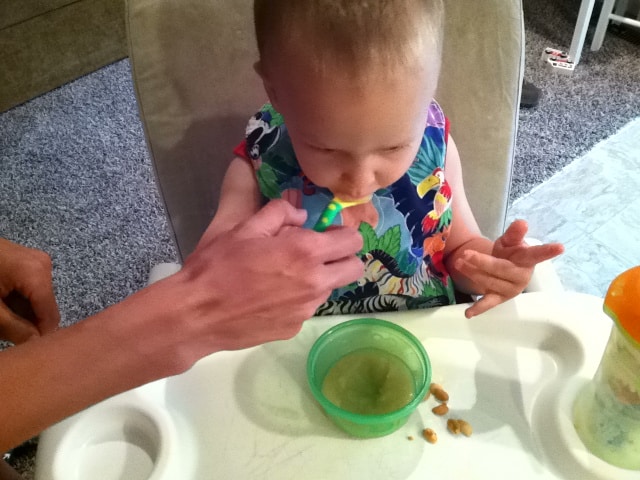
  • Feeding
  • Toileting and hygiene

. 


Filed Under: Uncategorized

Primary Sidebar

Latest Posts

My OT journey

🌈 Social and Emotional Skills in OT: “What is OT? Series Book 7 

🌀Sensory Skills in OT: “What Is OT?” Series Book 6

🏠 Life Skills in OT: “What Is OT?” Series Book 5

Like Us on Facebook

Building Blocks Pediatric Occupational Therapy Services, LLC

Archives

Categories

More About Us

  • Home
  • Meet Our Team
  • About Occupational Therapy
  • Evaluations & Services
  • Contact Us
  • Blog
📚 The What Is OT? Book Series By Justine “Jel 📚 The What Is OT? Book Series
By Justine “Jellybean” Bedocs

✨ A seven-book children’s series created to explain Occupational Therapy in a fun, simple, and meaningful way.

These books help children understand what OT is and how it helps them grow, learn, regulate, and gain confidence in everyday life. Perfect for therapists, teachers, parents, and caregivers to use at home, in schools, or in therapy sessions.

⸻

🌟 The Seven Books in the Series

📗 Book 1: What Is OT? What Will I Do There?
An introduction to occupational therapy and how it helps kids succeed every day.
👉 https://a.co/d/16Ql977

📘 Book 2: Hand Skills in OT
Focuses on fine motor skills like writing, cutting, buttoning, and strengthening little hands.
👉 https://a.co/d/7matwO8

🧠 Book 3: Brain and Body Skills in OT
Explains how the brain and body work together for focus, coordination, and regulation.
👉 https://a.co/d/f4Rwx8R

📗 Book 4: Eye and Hand Skills in OT
Covers visual motor and visual perceptual skills used for reading, writing, and play.
👉 https://a.co/d/5N2jD0p

📙 Book 5: Life Skills in OT
Highlights independence with dressing, feeding, routines, and daily living skills.
👉 https://a.co/d/aEGa8B5

📘 Book 6: Sensory Skills in OT
Helps children understand sensory processing and how to feel calm, focused, and regulated.
👉 https://a.co/d/if6K8f9

🌈 Book 7: Social and Emotional Skills in OT
Teaches emotional awareness, coping skills, confidence, and social connection.
👉 https://a.co/d/0bCHcTu

⸻

✨ These books are designed to help children feel confident, understood, and supported while helping parents and professionals explain OT in a simple and meaningful way.

📚 Full collection here:
👉 https://connecticutoccupationaltherapist.com/books/

Thank you for supporting this project and for sharing with families, educators, and therapists who may benefit 💛
— Justine Bedocs, OTR/L
Westport, Connecticut
Check out my final blog post about my OT journey a Check out my final blog post about my OT journey as a student with the link tagged in our bio! 🤗 💜#occupationaltherapystudent #nbcot
Had to join in on the Labubu (and Lafufu) craze, i Had to join in on the Labubu (and Lafufu) craze, in a fun fine motor way!🤩🧸🧡 #finemotoractivity #labubu #occupationaltherapy
Blogs of Books 3 and 4 are now live on the website Blogs of Books 3 and 4 are now live on the website. Click the link in bio to learn more about the "What is OT" Book Series and each character in the books!🤩📚 #occupationaltherapy #WhatIsOTBookSeries #westportmoms #pediatrics
Learn more about the different pencil grasps your Learn more about the different pencil grasps your child uses everyday with the link in our bio!✏️💫#occupationaltherapy #buildingblocksoccupationaltherapy #momsofwestport #pediatricot #aota #finemotor
Happy Halloween from Building Blocks Pediatric OT! Happy Halloween from Building Blocks Pediatric OT!🧙👻🧡 #spookyseason #happyhalloween🎃 #pedatricot #67
Prone Play = 💪 Child!! Link in bio to learn mor Prone Play = 💪 Child!! Link in bio to learn more about prone activities and how it can make your child stronger😎 #pediatricoccupationaltherapy #westportct #fun #buildingblocksoccupationaltherapy #otforkids
Bilateral coordination is the ability to use both Bilateral coordination is the ability to use both sides of the body simultaneously in a controlled and organized manner🤲. It supports tasks like writing, playing sports, and even tying your shoes! Link in bio to learn more about the importance of why using both hands matters💥 #occupationaltherapy #selfcaretips #blogpost #westportct #pediatricotlife
Follow on Instagram

Copyright © 2026 · BBPOTS, LLC · Site Design by Little Blue Deer
Privacy Policy