Occupational Therapy Evaluation
Every child begins with a comprehensive occupational therapy evaluation designed to help us understand their unique strengths, challenges, interests, and areas for growth. The evaluation provides the foundation for developing an individualized treatment plan that is meaningful, goal-oriented, and tailored to your child’s specific needs.
Evaluations are completed by a licensed Occupational Therapist (OTR/L) and are offered at three levels of complexity: low, moderate, and high complexity. The level of complexity is determined by factors such as medical and developmental history, the number of areas being evaluated, the amount of testing required, the need for collaboration with other professionals, and the extent of clinical decision-making and report writing.
Low Complexity Evaluation
Appropriate for children with a straightforward history and fewer areas of concern.
- Brief review of developmental and medical history
- Assessment of one or two areas of occupational performance
- Limited standardized testing and clinical observations
- Minimal collaboration with outside providers
- Concise written report with recommendations and treatment goals
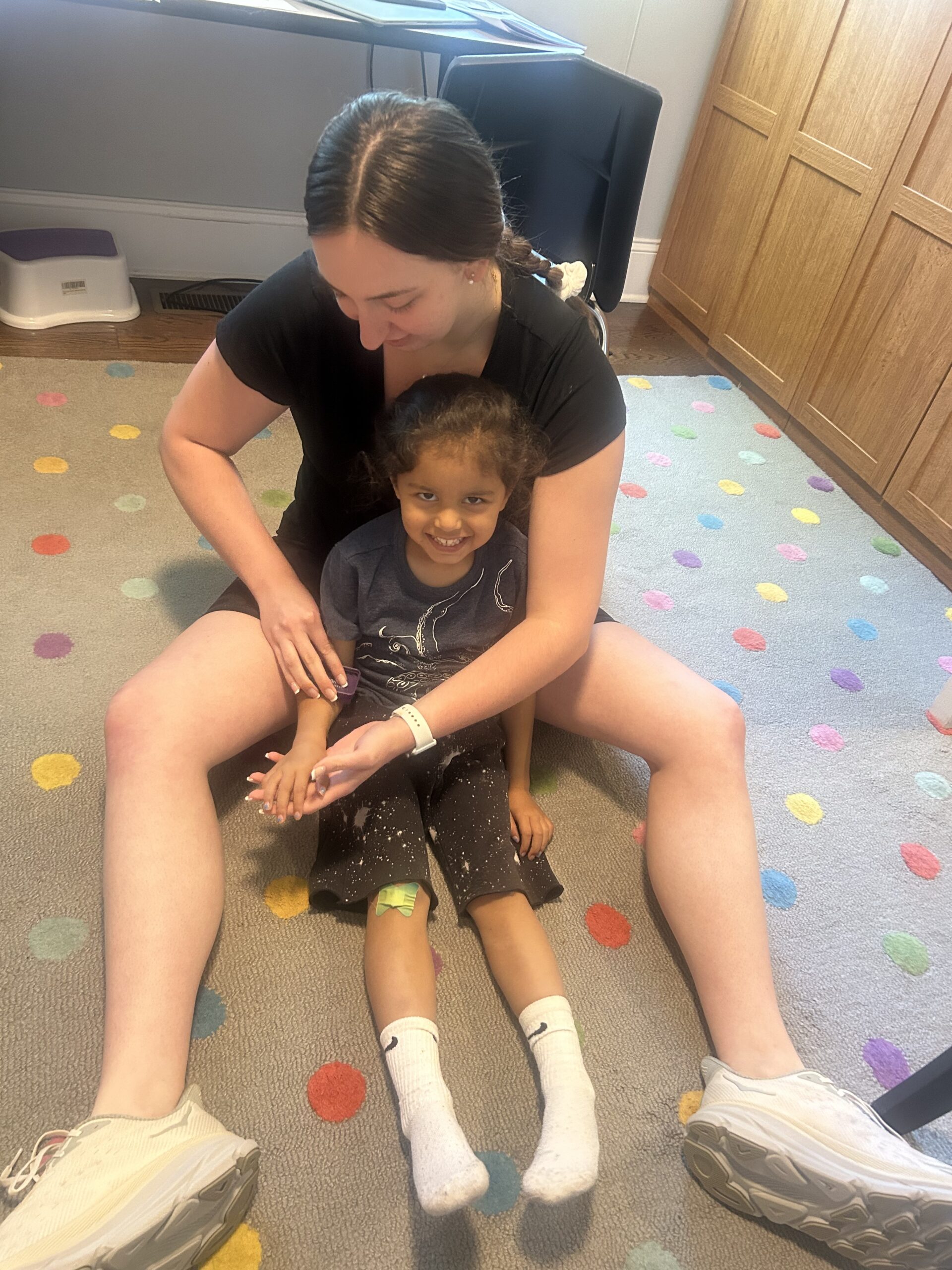
Moderate Complexity Evaluation
Appropriate when concerns impact several areas of functioning and require a broader assessment.
- Comprehensive developmental and medical history review
- Multiple standardized assessments and clinical observations
- Assessment of sensory processing, motor development, self-care skills, and school participation
- Collaboration with parents, teachers, and other professionals as needed
- Detailed written report with interpretation of findings, recommendations, measurable goals, and an individualized treatment plan
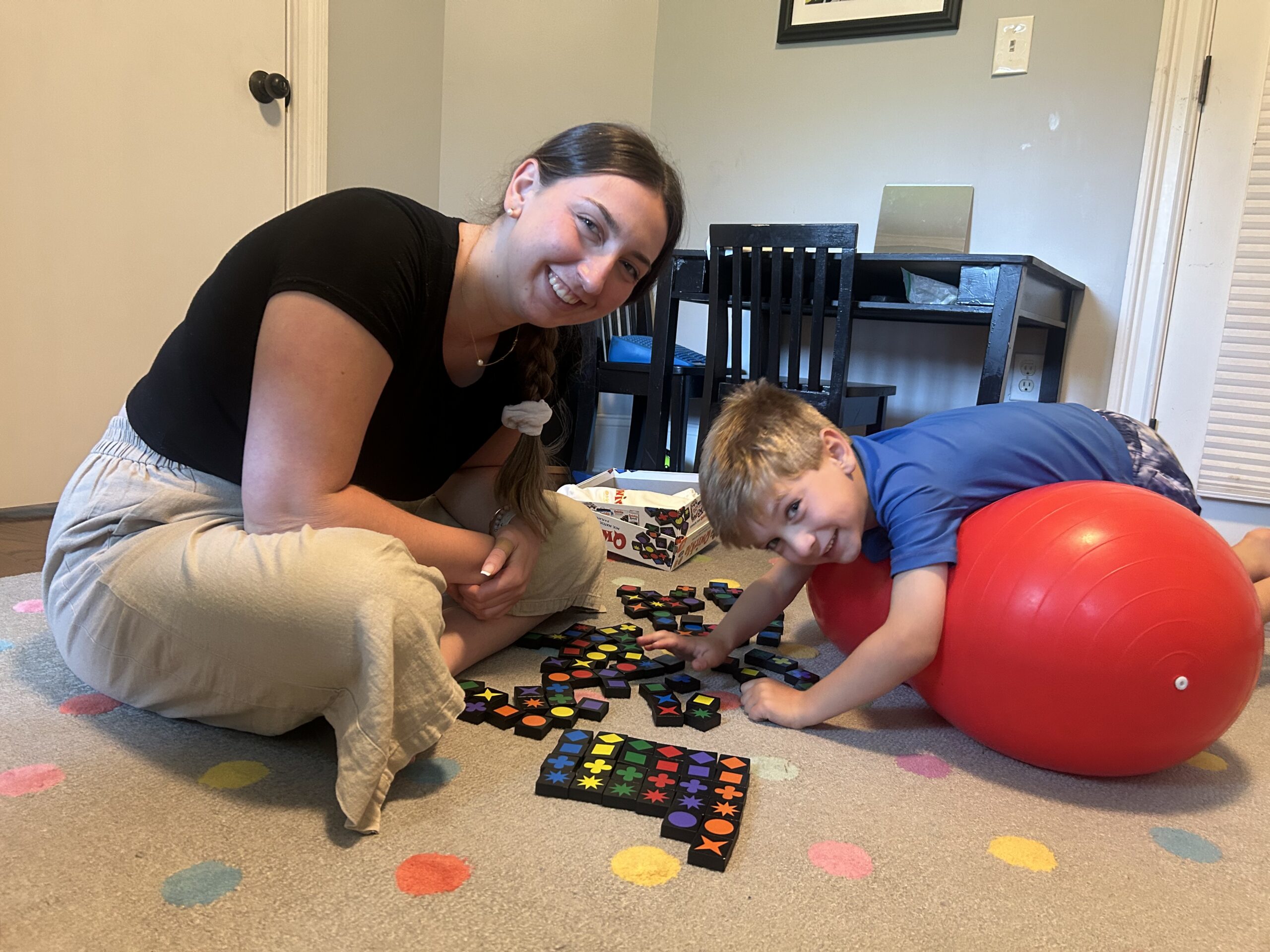
High Complexity Evaluation
Reserved for children and young adults with complex developmental, neurological, medical, sensory, behavioral, educational, or social-emotional needs.
A high-complexity evaluation may include:
- Review of extensive developmental, educational, and medical records
- Multiple standardized assessments across numerous developmental domains
- Comprehensive sensory processing and sensory integration evaluation
- Assessment of motor planning, praxis, executive functioning, social-emotional regulation, feeding, self-care, school participation, and community functioning
- Collaboration with parents, teachers, physicians, psychologists, speech-language pathologists, educational teams, and other professionals involved in the child’s care
- Clinical interpretation of complex findings and differential considerations
- Comprehensive written report with extensive analysis, individualized recommendations, measurable goals and objectives, home and school strategies, and a detailed treatment plan
High-complexity evaluations are billed at a rate equivalent to six treatment sessions. Moderate- and low-complexity evaluations are billed according to the complexity and time required to complete the assessment.
What to Expect During the Evaluation Process
- Parent and caregiver interview
- Review of developmental, educational, and medical history
- Standardized testing and clinical observations
- Assessment of motor, sensory, social-emotional, self-care, and school-related skills
- Collaboration with teachers, physicians, and other professionals, when appropriate
- Identification of strengths and areas of need
- Development of individualized and measurable treatment goals
- Recommendations for home, school, and community supports
A comprehensive written report, individualized treatment plan, and recommendations are typically provided within two weeks of the completion of testing.
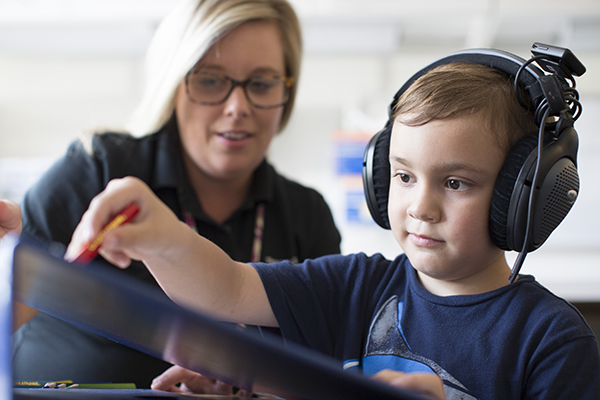
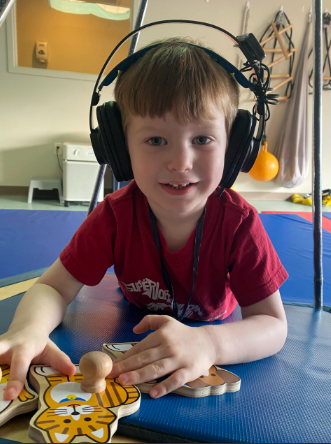
Occupational Therapy Treatment & Intervention
Following the evaluation, therapy services are provided by a licensed Occupational Therapist (OTR/L) or a Certified Occupational Therapy Assistant (COTA) under the supervision of an OTR/L.
- Sessions are typically 45–60 minutes in length.
- Frequency of treatment is determined by evaluation findings and individual needs.
- Progress and recommendations are regularly shared with families to promote consistency across home, school, and community environments.
- Collaboration with teachers, physicians, and other providers is incorporated whenever appropriate.
Therapy is medically based, goal-directed, and measurable, focusing on helping children gain confidence, independence, and meaningful participation in daily activities.
Areas We Address in Therapy
Motor Development
- Fine motor skills, including writing, cutting, grasp, and hand strength
- Gross motor skills, including balance, coordination, endurance, and body awareness
- Visual motor and visual perceptual skills
- Handwriting and Dysgraphia support
- Motor planning and sequencing
- Core and upper body strength
- Bilateral coordination and postural control
Daily Living and Independence
- Dressing, feeding, grooming, and hygiene skills
- Toileting and self-care routines
- Household responsibilities and chores
- Cooking and meal preparation skills
- Money management and community participation
- Transportation training and independent living skills
- Job readiness, applications, workplace preparation, and vocational support
Specialized Treatment Approaches
- Sensory integration therapy
- Oral motor and feeding therapy
- Aquatic therapy
- Primitive reflex integration
- Emotional regulation and self-regulation strategies
- Executive functioning intervention
- Social-emotional skill development
- Parent education and caregiver coaching
- School consultation and collaboration
Every treatment plan is individualized, evidence-based, and designed to help children and young adults build the confidence, independence, and skills necessary to succeed at home, at school, and in the community.
Settings and Services We Provide
At Building Blocks Pediatric Occupational Therapy Services, we provide individualized occupational therapy services across a variety of settings, meeting children where they live, learn, play, and work. Our services are designed to promote independence, confidence, self-regulation, and meaningful participation in everyday activities.
In-Home Occupational Therapy Services
Our in-home services take place in the child’s natural environment, allowing therapy to be integrated into daily routines and real-life situations. We support children with:
- Activities of daily living, including dressing, bathing, grooming, feeding, and toileting
- Establishing routines and increasing independence with morning, homework, and bedtime tasks
- Emotional regulation and behavior management strategies
- Sensory processing challenges that impact family routines and participation
- Parent coaching and caregiver education to carry strategies over into everyday life
- Environmental modifications and sensory supports that improve success within the home
By providing services in the home, we can address challenges in the environment where they occur and empower families with practical, individualized strategies.


School-Based Occupational Therapy Services
Our school-based services focus on helping students successfully access and participate in their educational environment.
We support students with:
- Fine motor skills, handwriting, and written expression
- Visual motor and visual perceptual skills needed for classroom tasks
- Attention, executive functioning, organization, and task completion
- Self-regulation, emotional regulation, and sensory processing needs
- Motor planning, coordination, and classroom participation
- Self-help skills such as managing materials, lunch routines, and navigating the school environment
In addition, we provide:
- Consultation and collaboration with teachers, administrators, and support staff
- Professional development and staff training on sensory processing, self-regulation, and classroom strategies
- Recommendations for classroom accommodations and environmental modifications
- Development of sensory supports, movement programs, and classroom regulation strategies
- Participation in team meetings and collaborative problem-solving to support student success
Our goal is to build the capacity of the entire educational team so that students can thrive academically, socially, and emotionally.
Clinical and Outpatient Occupational Therapy Services
Our clinic-based services provide comprehensive, individualized intervention in a sensory-rich therapeutic environment.
Areas of focus include:
- Sensory integration and sensory processing disorders
- Fine motor and visual motor development
- Motor planning and coordination difficulties
- Emotional regulation and coping strategies
- Feeding challenges and oral motor skills
- Executive functioning and attention
- Primitive reflex integration and postural development
- Social participation and confidence building
Our clinic setting allows for intensive intervention using specialized therapeutic equipment and activities that target each child’s unique strengths and challenges.

Aquatic and Pool Therapy Services
Aquatic therapy combines the therapeutic benefits of movement and sensory experiences within the water.
The unique properties of water provide:
- Deep pressure and calming sensory input that promotes regulation and body awareness
- Resistance that naturally strengthens muscles and improves endurance
- Buoyancy that supports movement and builds confidence in children who struggle with motor skills on land
- Vestibular and proprioceptive input that improves body awareness and motor planning
- Opportunities to improve balance, bilateral coordination, and postural control
- A motivating environment that encourages participation, social interaction, and physical activity
Aquatic therapy can be particularly beneficial for children with sensory processing challenges, autism spectrum disorder, anxiety, coordination difficulties, low muscle tone, and motor planning deficits. The pool often becomes a powerful setting for increasing confidence, regulation, and participation while making movement fun and meaningful.

Community-Based Occupational Therapy Services
Community-based therapy helps children generalize skills learned in therapy into real-life environments.
Services may include:
- Playground and recreational participation
- Community outings and social experiences
- Restaurant, shopping, and money management skills
- Safety awareness and problem-solving in community settings
- Social communication and peer interactions
- Participation in sports, camps, and extracurricular activities
- Building confidence and independence in unfamiliar environments
By practicing skills in natural settings, children gain greater independence and develop the confidence needed to successfully participate in their communities.

Job Site Training and Transition Services
We support adolescents and young adults as they prepare for employment and greater independence.
Services may include:
- Vocational assessments and work readiness training
- Job coaching and task analysis
- Executive functioning skills, including planning, organization, and time management
- Social communication and workplace interactions
- Sensory strategies to support attention and regulation in the work environment
- Self-advocacy and problem-solving skills
- Building work endurance and independence
- Support with transportation, community mobility, and daily living skills
Our transition services focus on helping individuals develop the skills, confidence, and independence necessary to successfully participate in employment and adult life.
At Building Blocks Pediatric Occupational Therapy Services, we believe that therapy is most effective when it occurs across the environments that matter most to a child and family. By providing services in the home, school, clinic, pool, community, and workplace, we help children and young adults develop the skills they need to live, learn, play, and work with confidence and success.
Payment Information
Payment is due at the time of service.
A credit card is required and accepted as a convenient method of payment. Families may securely enter payment information and complete intake forms through the SimplePractice Client Portal.
Billing & Insurance
- Treatment sessions are billed in 15-minute increments in accordance with occupational therapy service standards.
- Billing statements are available through the SimplePractice portal after each session.
- A monthly superbill is provided and may be submitted directly to your insurance company for potential out-of-network reimbursement.
Cancellation Policy
A minimum of 24 hours’ notice is required for all cancellations.
- Please call or email if you need to cancel your child’s session.
- Missed appointments without appropriate notice will be charged the full session fee.
- In the event of an emergency, cancellation fees may be waived at the discretion of the practice.

Getting Started
We are honored that you are considering Building Blocks Pediatric Occupational Therapy Services for your child or young adult’s care.
To begin services, please complete our secure online intake paperwork through the SimplePractice Client Portal. The portal allows you to:
- Complete intake and consent forms
- Securely enter payment information
- Upload reports and relevant documents
- Review and sign practice policies and procedures
- Access billing statements and superbills
- Communicate securely regarding appointments and services
We look forward to partnering with your family and helping your child build the skills, confidence, and independence needed to thrive at home, at school, and in the community.