• Skip to primary navigation
  • Skip to main content
  • Home
  • Meet Our Team
  • About OT
  • Evaluations & Services
  • Testimonials
  • Blog
  • Books
    • Email
    • Facebook
    • Instagram
    • Phone

Building Blocks Pediatric Occupational Therapy Services

Fairfield Connecticut Occupational Therapist

203-341-0178
943 Post Rd E Suite A
Westport, CT 06880
bbpedot@yahoo.com
  • Home
  • Meet Our Team
  • About OT
  • Evaluations & Services
  • Books
  • Testimonials
  • Blog
    • Email
    • Facebook
    • Instagram
    • Phone

About Occupational Therapy 2

What is Pediatric Occupational Therapy?

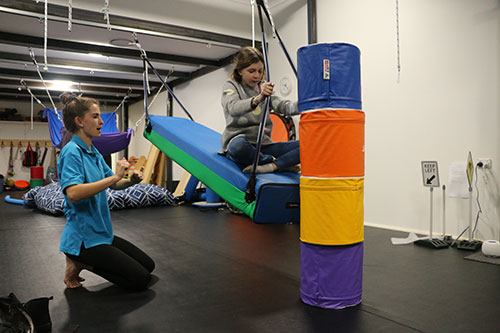
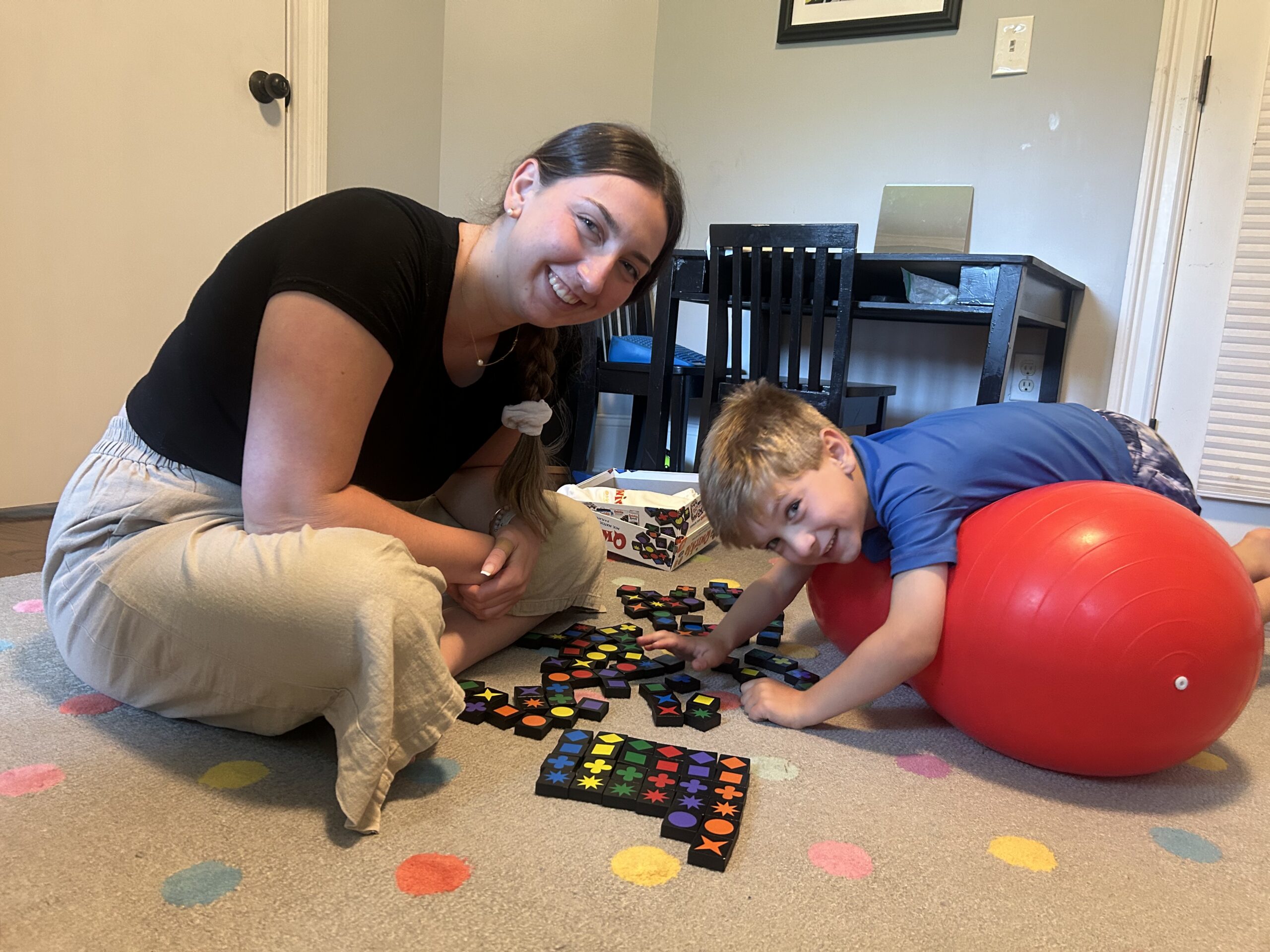
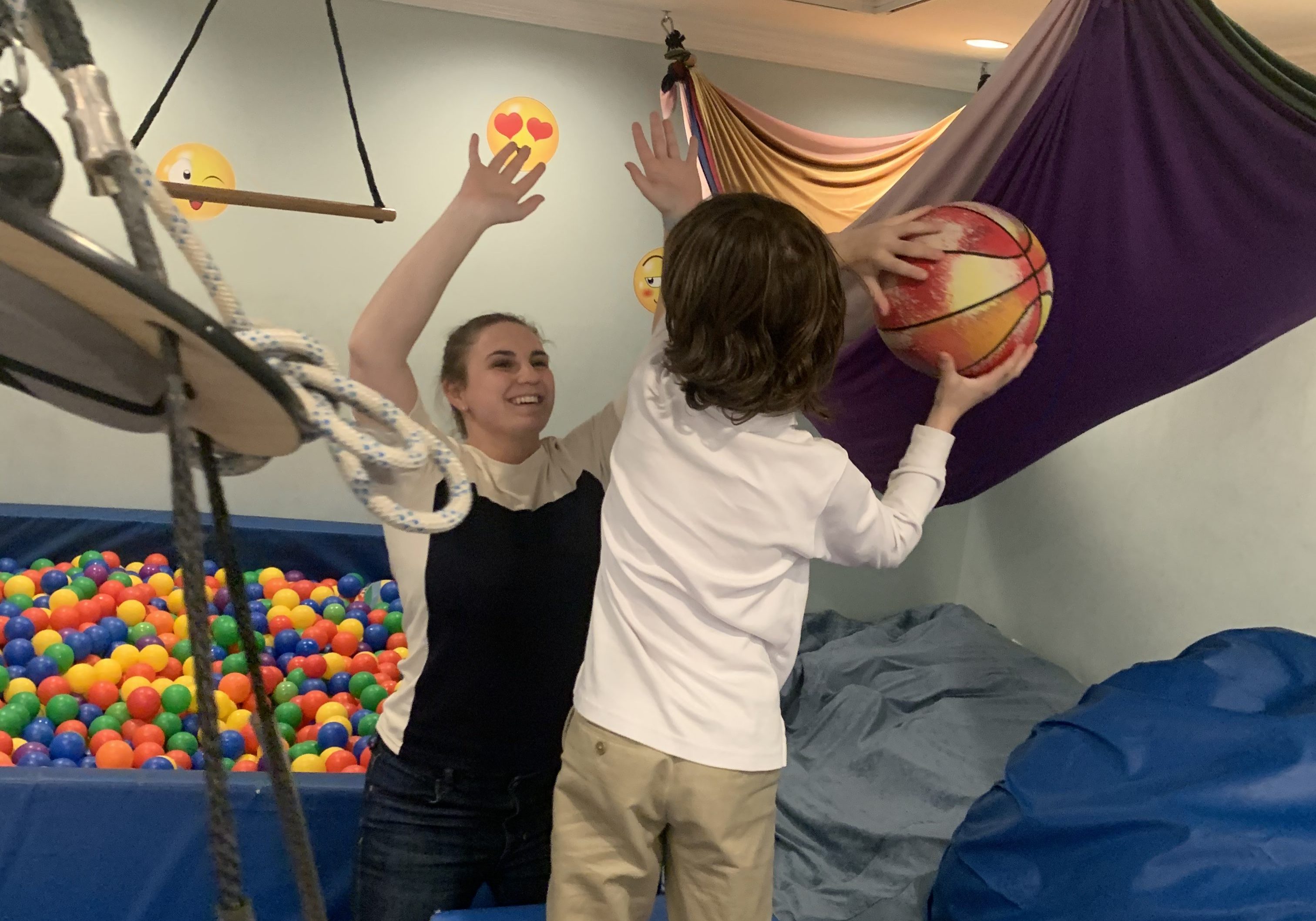
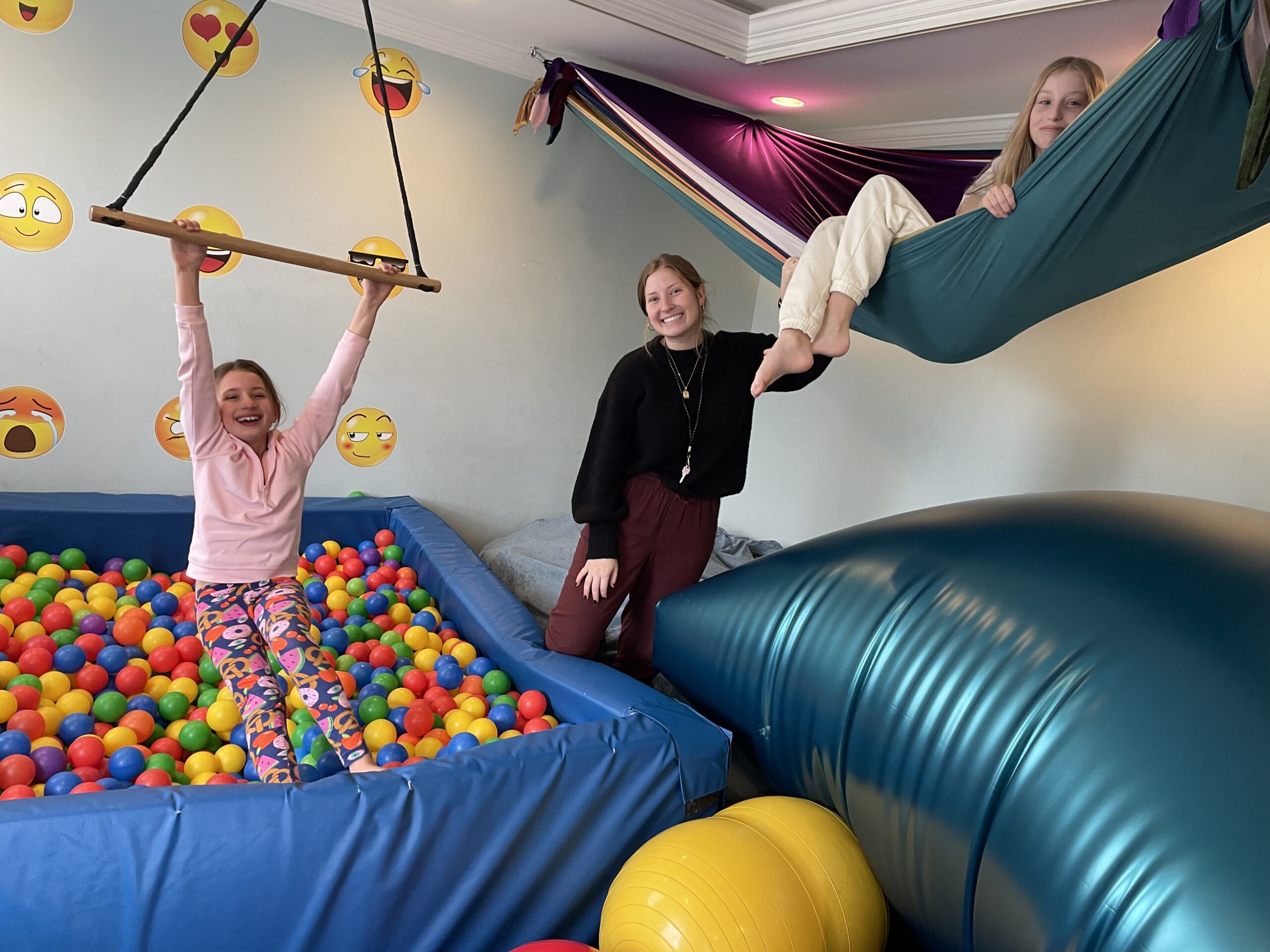
A child’s primary occupation is to play, learn, and grow. Pediatric Occupational Therapists (OTs) use play-based activities to strengthen the foundational skills children need across every stage of life — from infancy through young adulthood.

OT is more than therapy — it’s about unlocking independence, confidence, and joy in daily life.

  • Feeding Skill
  • Self-Feeding Skills
  • Oral Motor Skills
  • Visual Motor Skills
  • Fine Motor Skills
  • Visual Perceptual Skills
  • Motor Planning and Praxis
  • Sensory Processing and Integration
  • Introception Development
  • Primitive Reflex Integration
  • ADL’s (Activities of Daily Living)
  • Self-Care and Hygiene Skills
  • Play Skills
  • Social Skills
  • School Readiness Abilities
  • Dysgraphia
  • Organizational Skills
  • Posture and Core Strengthening Skills
  • Bilateral Integration Skills
  • Balance Skills
OT_central_coast
IMG_5638
IMG_7836

What is Sensory Integration?

Our senses continuously provide us the information that we need to function within the world. The senses take in and process information from stimuli both outside and inside of our bodies. Sensory integration is the neurological process of organizing the information we get from our bodies and from the world around us for use in daily life. Sensory integration is often described as our foundation and is necessary for later, more complex learning and behavior. For most children, sensory integration develops in the course of ordinary childhood activities, through exposure to a variety of stimuli within naturally-occurring day-to-day events. The organization of behavior, learning and performance is a natural outcome of the process, as is the ability to adapt to incoming sensations. For some children however, sensory integration does not develop as efficiently as it should. When the process does not happen in an efficient manner, various problems in learning, development, or behavior may become evident to families and professionals.

Sensory integration dysfunction describes a problem or inefficiency in processing sensations, which leads to difficulties in daily life activities. Sensory integration dysfunction is a complex neurological disorder, marked by difficulty detecting, modulating, discriminating or integrating sensation adaptively. This results in a child’s inability to process sensation from the environment or from their bodies in an inaccurate way.  “Sensory seeking” or “sensory avoiding” patterns, or “dyspraxia” (a motor planning problem) are the result of ineffective sensory processing. Carol Stock Kranowitz states the sensory integration dysfunction may affect 12% to 17% of children and throws some kids “out of sync” emotionally, socially, and behaviorally. Occupational therapy addresses the following areas as related to a child’s sensory integration needs:

  • Inattention and a decreased ability to focus
  • Difficulty with coordination
  • Unusually high/low activity level
  • Overly sensitive to touch, movements, sights, or sounds
  • Under reactive to sensory stimulation
  • Poor organization of behavior
  • Poor self-concept and body awareness


Screen Shot 2026-06-12 at 9.34.50 AM

Treatment Required

Treatment services vary and are specifically designed to address the individual needs of children of all ages. Our philosophy is to support and build upon what the child already knows about the way their system processes and uses sensation and activity.  In this, the child’s ability to interact with their environment is developed. The ultimate goal is for the individual to interact with his/her environment in more successful and adaptive manners.
In addition, group sessions are available:

  • Therapy groups and specialized treatment programs including Handwriting Without Tears®, How Does Your Engine Run, Therapeutic Listening, and Brain Gym are also offered in order to achieve one’s individual goals.
  • Social skill groups incorporating sensory integration  and  typically play-based activities are offered to further  enhance skill development.
IMG_3411
OT_central_coast
Screenshot 2025-06-05 204448
IMG_6891
unnamed-3
IMG_6901
IMG_1570
As a pediatric occupational therapist, I often tal As a pediatric occupational therapist, I often talk about going deeper than just “take a deep breath.” Deep breathing is more than a simple instruction—it’s a powerful tool that helps children connect with their bodies, regulate their emotions, and calm their nervous systems.
One of my favorite ways to teach this is with a breathing ball. It’s simple, colorful, and engaging, giving children a visual and hands-on way to understand what’s happening inside their bodies.
As you slowly open the ball, encourage your child to take a slow, deep breath in through their nose, imagining their lungs filling up just like the ball expands. This helps them become aware of how their body feels when they breathe in.
Then, as you slowly close the ball, have them gently blow all the air out through their mouth until their “chipmunk cheeks” are completely empty. Encourage them to keep blowing until every last bit of air is out. This full exhale is just as important as the inhale—it helps release tension and signals the body to relax.
Repeat this several times. The movement of the ball helps children pace their breathing and stay focused, making it much easier than simply telling them to “take a deep breath.” Over time, this builds body awareness, supports self-regulation, and helps children learn how to calm themselves when they feel overwhelmed.
This is an easy strategy to use at home, in the classroom, before homework, before bed, or anytime a child is feeling anxious, frustrated, or needs a reset.
Sometimes the simplest tools can make the biggest difference. 💙
#explorepages  #SelfRegulation #DeepBreathing #Sensory #Interoception
The Wilbarger Deep Pressure & Proprioceptive Techn The Wilbarger Deep Pressure & Proprioceptive Technique (DPPT)
Also known as the Wilbarger Brushing Protocol

The Wilbarger Protocol is a sensory-based OT intervention that provides deep pressure and proprioceptive input to help organize the nervous system, improve body awareness, and reduce tactile defensiveness.

Who may benefit?
• Tactile defensiveness
• Clothing or grooming sensitivities
• Emotional dysregulation
• Attention and transition difficulties
• Sensory seeking or avoiding behaviors
• Some children with sensory processing differences, ADHD, autism, or developmental delays

Brushing
🖐️ Firm, even pressure
• Brush proximal to distal
• No back-and-forth brushing
• Long, smooth strokes
• Keep the brush flat against the skin
• Brush arms, hands, back, legs, and feet only
🚫 Never brush the face, chest, stomach, or groin

Joint Compressions
🤲 Immediately follow brushing
• Support the limb
• Keep joints neutral
• Compress gently through the joint
• Never twist, pull, or force a joint

Benefits
✅ Better regulation
✅ Improved attention
✅ Increased body awareness
✅ Reduced tactile defensiveness
✅ Greater participation in daily activities

DPPT should only be taught and supervised by a trained occupational therapist and is individualized for every child.

💙 Helping children feel regulated, confident, and successful.

#OccupationalTherapy #ExplorePages #SensoryProcessing #EducationalContent #WilbargerProtocol
Sometimes the most meaningful therapy doesn’t lo Sometimes the most meaningful therapy doesn’t look like “therapy” at all.
Through play, children are building the foundational skills they need for everyday life. During this activity, we’re targeting balance, core strength, coordination, motor planning, bilateral coordination, visual tracking, and postural control—all while keeping therapy engaging and fun.
Play isn’t a break from learning. For children, play is learning.
#OccupationalTherapy #PediatricOT #PlayBasedTherapy #PlayBasedLearning #ChildDevelopment
Did you know that visual perception is about so mu Did you know that visual perception is about so much more than eyesight? 👀

Visual perception is the brain’s ability to make sense of what the eyes see. These skills play a huge role in everyday activities like reading, handwriting, completing puzzles, finding items in a backpack, and even getting dressed.

Swipe through to learn:
✨ What visual perception is
✨ The 7 visual perceptual skills
✨ How these skills impact daily life
✨ How occupational therapy can help

Want to learn more? Our newest blog takes a deeper dive into visual perception and how OT supports these important skills. Check out the link in our bio!

#PediatricOT #OccupationalTherapy #VisualPerception #VisualPerceptualSkills #ChildDevelopment
My journey to find occupational therapy may have t My journey to find occupational therapy may have taken a bit longer than others, but I 'm grateful for each experience that got me to where I am today!

For those who don't know me, my name is Colleen McGuinness and I have been completing my fieldwork rotation at Building Blocks Pediatric Occupational Therapy as an OT student for the past 3 months. So before I go, I want to tell you about my journey into OT!

Check out our latest blog post using the link in our bio to read more about my journey into OT!

#OTStudent #JourneytoOT #PediatricOT #BuildingBlocksOT
✏️ Not sure which pencil grip is right for you ✏️ Not sure which pencil grip is right for your child?

Each pencil grip is designed to support different needs, and choosing the right one can make writing more comfortable and efficient. Check out this quick overview, then head to the blog (link in bio) to learn more about each grip and how to choose the best fit!

#OccupationalTherapy #PediatricOT #FineMotorSkills #Handwriting #pencilgrips
When you play on the floor with your child or foll When you play on the floor with your child or follow their lead in a game, you are actually engaging in part of an important pediatric occupational therapy method known as Floortime!

This is a relationship-based therapy for children that helps with emotional and developmental growth. 

Check out our latest blog post using the link in our bio to learn more!

#FloortimeMethod #PediatricOT #OccupationalTherapy #BuildingBlocksOT
When your child says they spent OT on the swings, When your child says they spent OT on the swings, they were doing much more than just playing. 😊
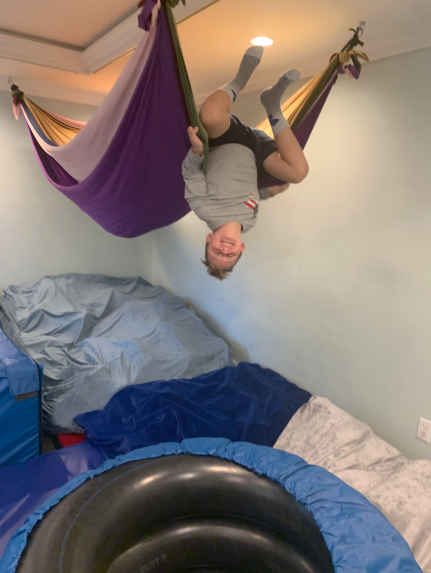
Therapeutic swings help children build the skills they need for everyday activities through movement, balance, and sensory experiences that are fun and meaningful.
Read our latest blog to learn about the different types of swings used in pediatric OT. Link in bio! 💙  Photo Credits: @theottoolbox 
#pediatricot #OccupationalTherapy #SensoryPlay
Follow on Instagram

Copyright © 2026 · BBPOTS, LLC · Site Design by Little Blue Deer
Privacy Policy